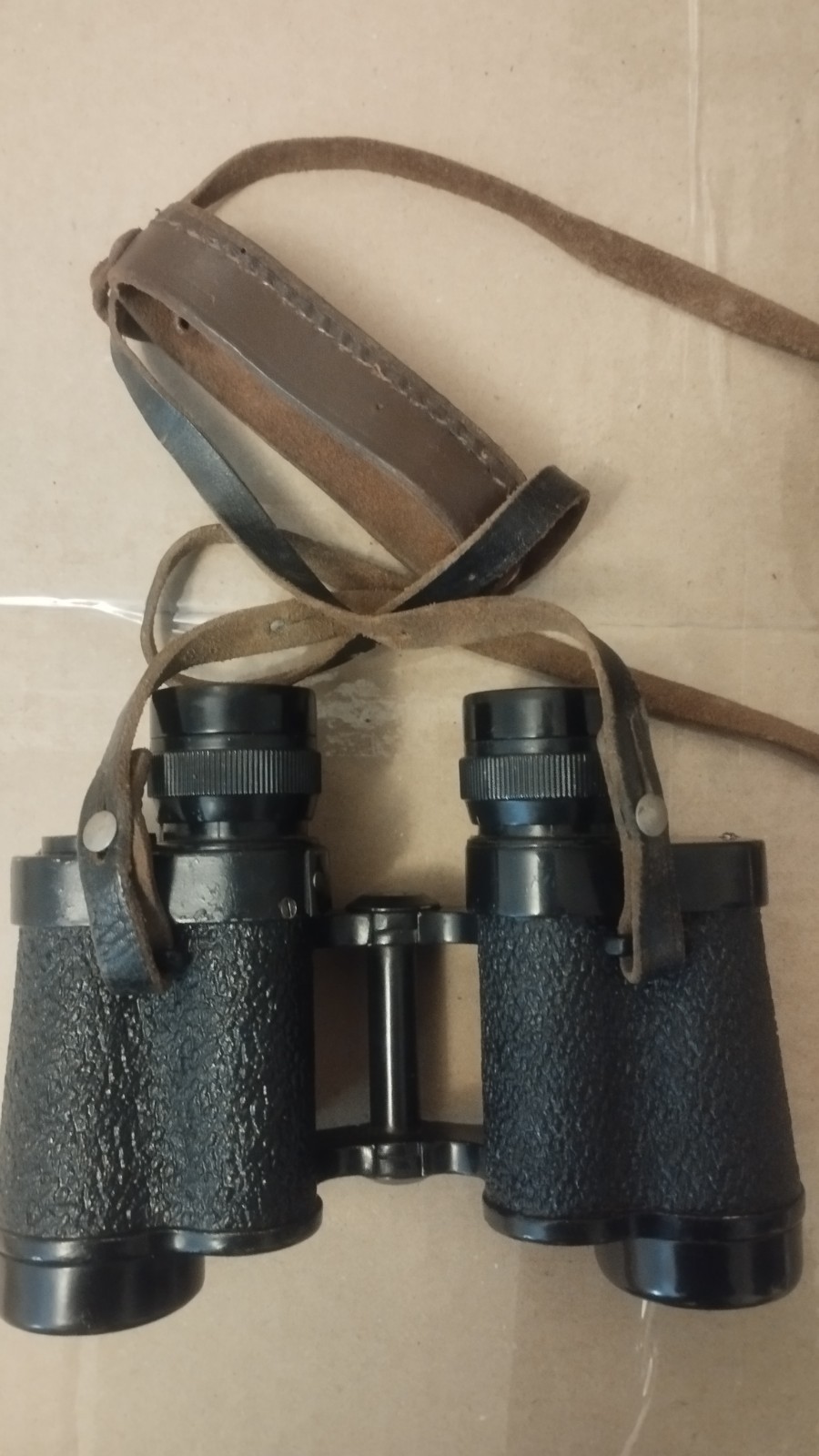
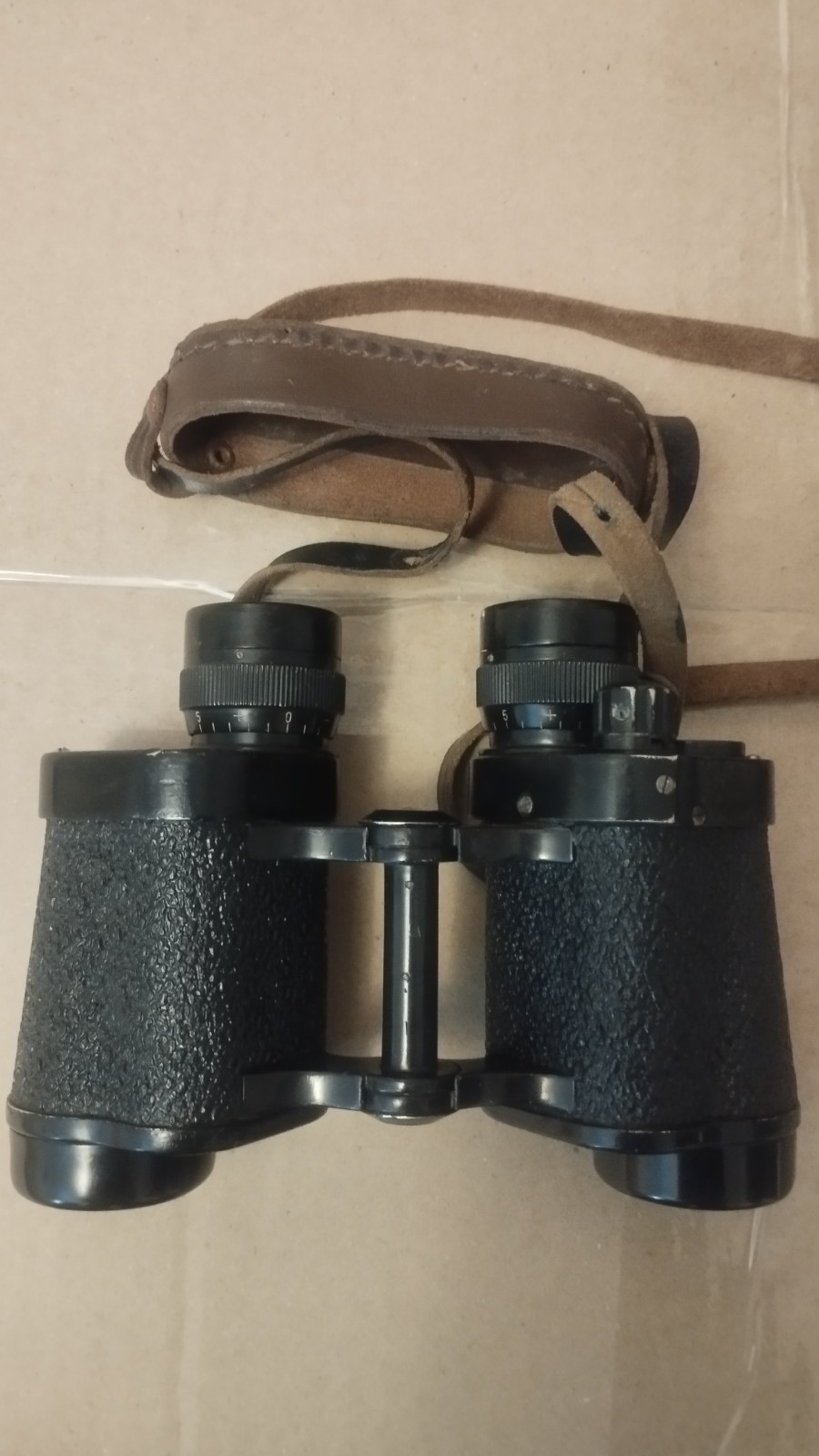
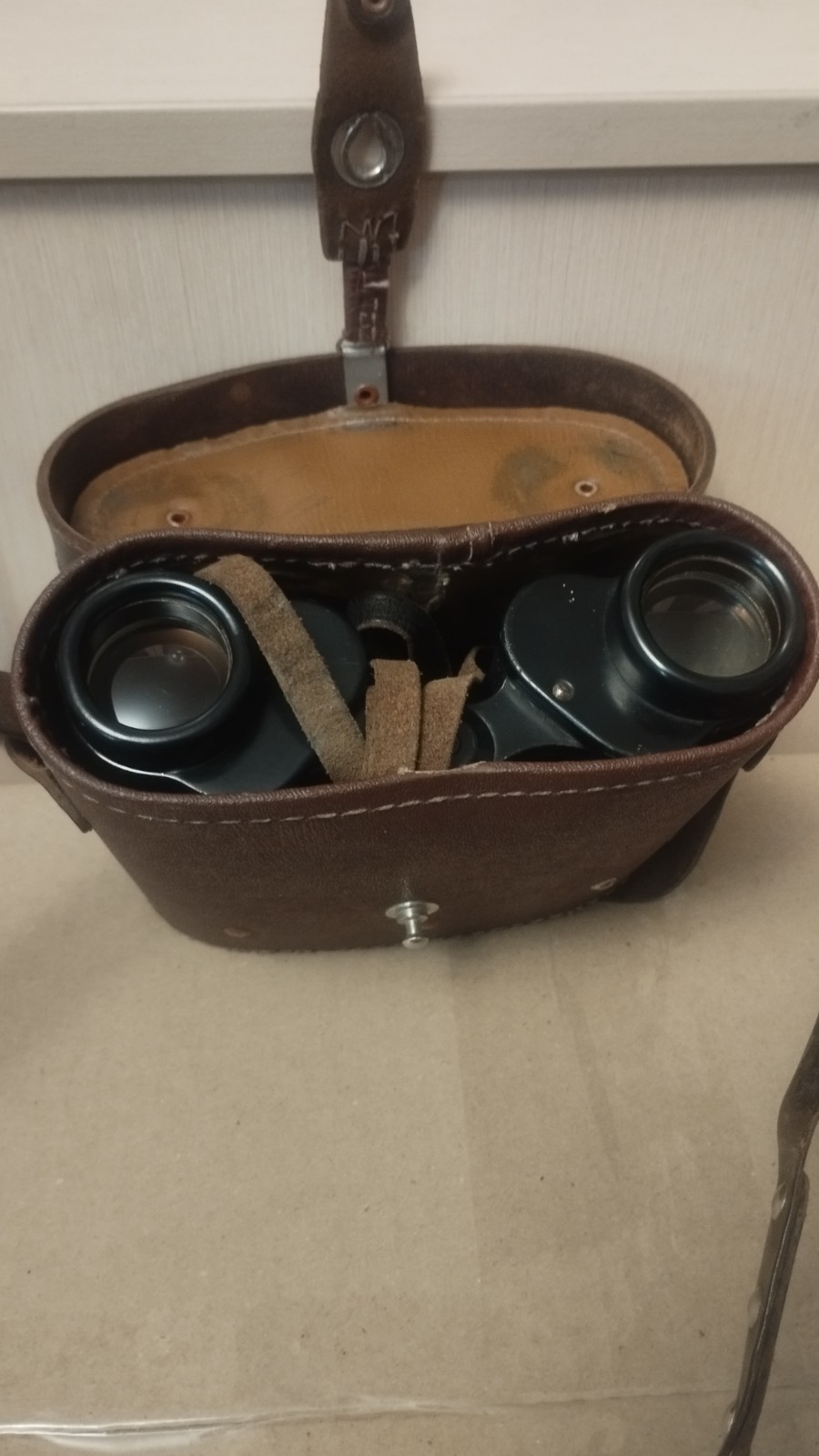
BI 8x30 Infrared binoculars, USSR, 1960s, KOMZ
Sold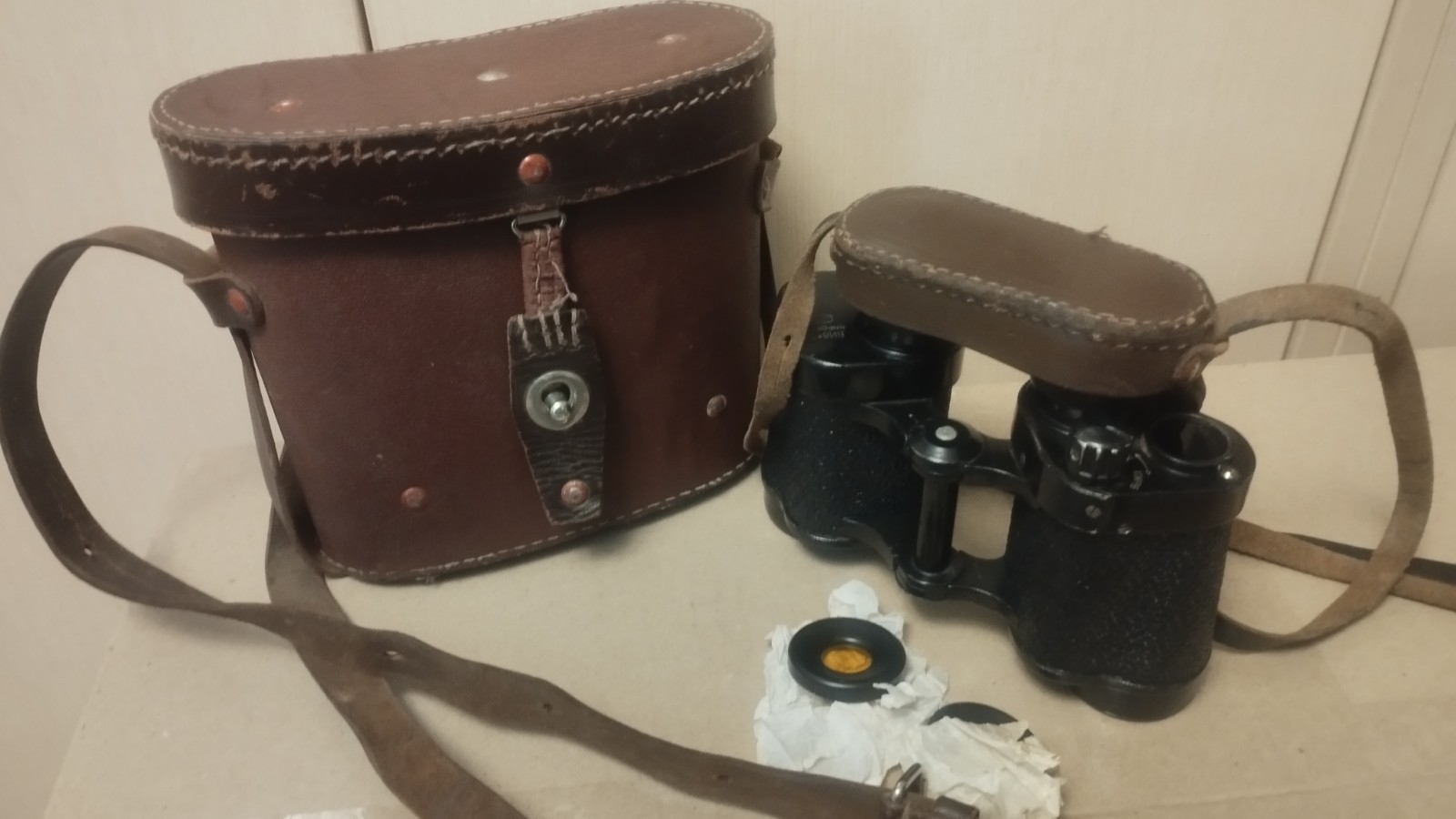


This item has been sold
It is no longer available for purchase.
Sold for
$340.00
Description
These Soviet BI 8x30 infrared binoculars represent a significant chapter in Cold War optics development. Manufactured by KOMZ (Krasnogorsk Mechanical Plant), one of the USSR's principal precision-optical facilities, they exemplify the technical competition between NATO and Warsaw Pact forces during the 1960s. The BI designation stood for "Binokl Infrakrasnyy" (infrared binoculars), marking them as specialized equipment for nocturnal observation and reconnaissance operations.
The BI series emerged from Soviet efforts to field practical infrared viewing systems at a time when such technology was still novel and demanding. Unlike passive night vision devices, these binoculars required an active infrared illuminator to function, making them valuable for reconnaissance, artillery spotting, and security operations where the enemy lacked compatible detection capability. The 8x30 configuration balanced magnification with a workable field of view and manageable weight for field conditions. Such instruments saw service with Soviet military intelligence, reconnaissance units, and specialized border guard formations throughout the 1960s and beyond.
This example presents in notably good condition for its age. The optics remain fully functional, and critically, the infrared detection screen has retained its original greenish phosphor coating without the browning or deterioration common in surviving examples. The screen's integrity indicates the unit has been properly stored and handled—a consideration that significantly affects both usability and collector value, since replacement or restoration of these coatings is problematic. The fact that it remains unassembled preserves its authenticity and allows close examination of internal construction and manufacturing details characteristic of KOMZ work from this period.
For the serious collector, Soviet-era infrared optics occupy an important niche. They document genuine technical innovation within Soviet military science and represent an accessible entry point into Cold War reconnaissance equipment. Original BI binoculars with well-preserved screens have become increasingly difficult to locate as surviving examples deteriorate with age.
The BI series emerged from Soviet efforts to field practical infrared viewing systems at a time when such technology was still novel and demanding. Unlike passive night vision devices, these binoculars required an active infrared illuminator to function, making them valuable for reconnaissance, artillery spotting, and security operations where the enemy lacked compatible detection capability. The 8x30 configuration balanced magnification with a workable field of view and manageable weight for field conditions. Such instruments saw service with Soviet military intelligence, reconnaissance units, and specialized border guard formations throughout the 1960s and beyond.
This example presents in notably good condition for its age. The optics remain fully functional, and critically, the infrared detection screen has retained its original greenish phosphor coating without the browning or deterioration common in surviving examples. The screen's integrity indicates the unit has been properly stored and handled—a consideration that significantly affects both usability and collector value, since replacement or restoration of these coatings is problematic. The fact that it remains unassembled preserves its authenticity and allows close examination of internal construction and manufacturing details characteristic of KOMZ work from this period.
For the serious collector, Soviet-era infrared optics occupy an important niche. They document genuine technical innovation within Soviet military science and represent an accessible entry point into Cold War reconnaissance equipment. Original BI binoculars with well-preserved screens have become increasingly difficult to locate as surviving examples deteriorate with age.
🎉
Offer Sent!
I'll get back to you at as soon as possible.
Make an Offer
BI 8x30 Infrared binoculars, USSR, 1960s, KOMZ
$
eBay price: $400.00 · Direct price: $340.00